The Ritual of the Table
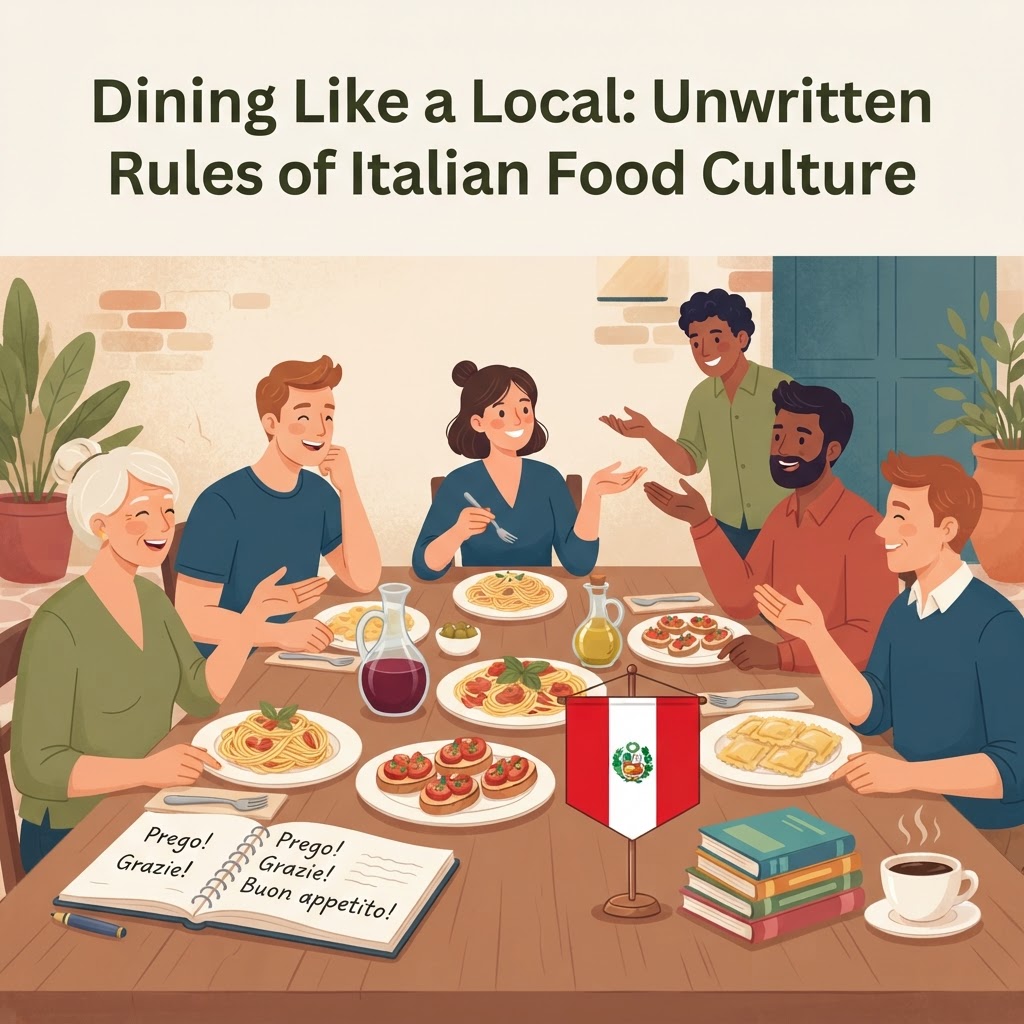
In Italy, food is not merely fuel; it is the heartbeat of social life. When you sit down to eat, you are participating in a centuries-old ritual that prioritizes connection, quality, and the simple joy of slowing down. At Speakup Academy, we often tell our students that to speak Italian fluently, you must first understand the 'language' of the table. Understanding these cultural nuances will transform your next trip to Italy from a tourist experience into an authentic immersion.
Tavolo vs. Tavola: More Than Just Furniture
One of the first things you will notice is the distinction between two very similar words. In Italian, tavolo refers to the physical piece of furniture—the table itself. However, when we talk about the act of dining or the social gathering, we use tavola. This is why you will hear the phrase, "A tavola!" when it is time to gather for a meal. It is an invitation to leave the day's worries behind and focus on the company and the food.
The Structure of an Italian Meal
If you walk into a traditional trattoria, you might be surprised by the pacing. Italian meals are structured to be savored, not rushed. A full, traditional meal follows a specific rhythm:
- Antipasto: The appetizer, literally meaning "before the meal."
- Primo: Usually a carbohydrate-heavy dish like pasta, risotto, or gnocchi.
- Secondo: The main protein, such as meat or fish.
- Contorno: A side dish of vegetables served alongside the secondo.
Understanding this structure helps you order with confidence. For example, you might say: "Vorrei ordinare un primo di pasta e un contorno di verdure." (I would like to order a pasta course and a vegetable side dish.)
Unwritten Rules of Etiquette
To dine like a local, there are a few unwritten rules that will help you blend in seamlessly. First, avoid asking for cheese on seafood dishes. In Italian culinary tradition, cheese is considered to overpower the delicate flavors of the sea. Second, remember that salads are rarely served as a starter; they are typically enjoyed as a contorno or after the main course to cleanse the palate. Finally, be mindful of the coperto. This is a small service charge included in your bill, which is a standard tradition in Italy rather than a hidden fee.
Essential Vocabulary for Your Next Meal
To help you practice between your live lessons with Carmen, here are a few phrases to keep in your back pocket:
- "Il conto, per favore." (The check, please.)
- "È tutto molto buono, complimenti allo chef!" (Everything is very good, compliments to the chef!)
- "Avete dei piatti tipici della regione?" (Do you have any typical dishes from this region?)
Conclusion
Italian food culture is a beautiful reflection of the country's regional diversity and its insistence on enjoying life. By respecting these traditions and learning the vocabulary that accompanies them, you gain more than just a meal—you gain a deeper connection to the culture. Whether you are practicing your pronunciation or learning the history behind a regional specialty, remember that every conversation at the table is a step toward fluency. We look forward to discussing your favorite Italian dishes in our next session at Speakup Academy!