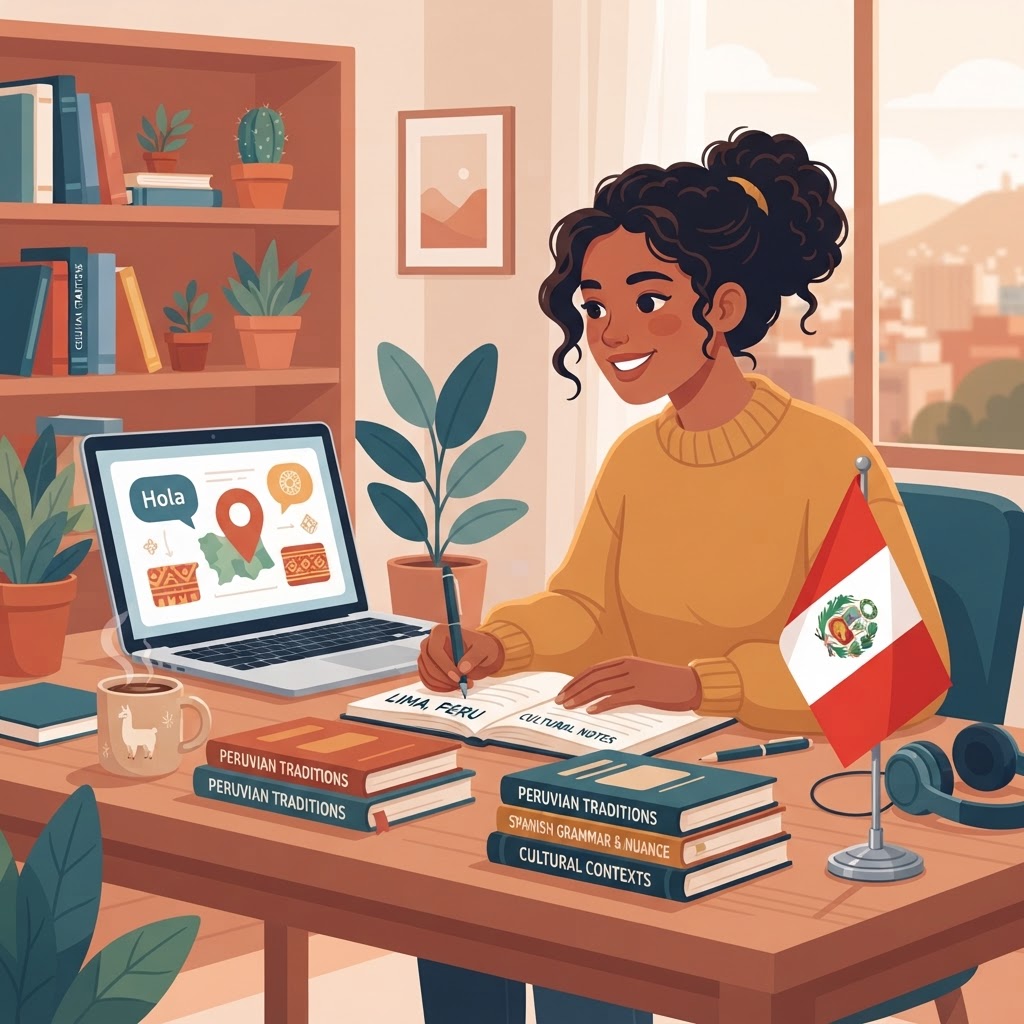
The Hidden Layer of Language Learning
When you sit down to study, it is easy to focus entirely on verb conjugations and vocabulary lists. However, at Speakup Academy, we often remind our students that language is not just a set of rules—it is the heartbeat of a culture. Whether you are learning Spanish, English, or Italian, you are essentially learning a new way to perceive the world. Understanding cultural nuances is the bridge between sounding like a textbook and sounding like a local.
Why Idioms Are More Than Just 'Flavor'
Idiomatic expressions are the ultimate shortcut to cultural fluency. Because they cannot be translated literally, they force you to think about the values and history of the people who speak the language. When you use an idiom correctly, you are signaling that you understand the 'soul' of the language. It transforms a standard conversation into a genuine human connection. During our live sessions with Carmen, we often explore how these phrases reveal the humor and social priorities of different regions.
Decoding Indirect Communication
One of the most significant cultural hurdles for many learners is the concept of indirect communication. In many Spanish-speaking cultures, for example, a direct 'no' can be perceived as harsh or impolite. Instead, speakers often use softening language. If you are not aware of this, you might misinterpret a polite delay as a 'yes' or feel confused by the lack of a definitive answer. Recognizing these patterns is a vital skill that goes beyond basic grammar.
Practical Examples to Elevate Your Speech
To help you get started, here are a few examples of how cultural context shapes expression:
- Spanish (Indirect Refusal): Instead of saying 'No, I cannot go,' a native speaker might say, 'Me encantaría, pero se me complica un poco' (I would love to, but it gets a bit complicated for me). This preserves the relationship while communicating the refusal.
- English (Workplace Culture): The phrase 'Let’s touch base' reflects a culture that values efficiency and brief, frequent check-ins to maintain alignment in a fast-paced environment.
- Italian (Social Warmth): Using the diminutive form, such as 'un caffè-ino' (a little coffee), is not just about size; it reflects the Italian cultural appreciation for the ritual of coffee as a moment of pleasure and social connection.
How to Cultivate Cultural Awareness
You do not need to travel abroad to start picking up these nuances. Start by consuming media—films, podcasts, and books—in your target language. Pay attention to how characters greet each other, how they disagree, and what phrases they repeat in emotional moments. If you are currently taking lessons, bring these observations to your next session. Ask your teacher, 'Why would someone say this instead of that?' This curiosity is exactly what accelerates your progress.
Key Takeaways
Language is inseparable from culture. By moving beyond literal translations and embracing the social rules, idioms, and indirect communication patterns of your target language, you will find yourself connecting more deeply with native speakers. Remember, every mistake is just an opportunity to learn a new cultural lesson. Keep practicing, stay curious, and we look forward to seeing you in our next live session at Speakup Academy.